Another week of warm, dry weather is forecast in Paris, which will be welcome news for Maltese Cross and his Arc bid. Should those conditions persist through to October 4, they would provide what looks like an ideal surface for his attempt to give William Haggas a first victory in the Prix de l’Arc de Triomphe.
Back in Britain, however, September looks set to conclude rather more quietly. Although with the two horses backed over the past weekend both deciding racing was not for them I am happy to take a time out and looking at the entries – a week without a bet looks a likely scenario.
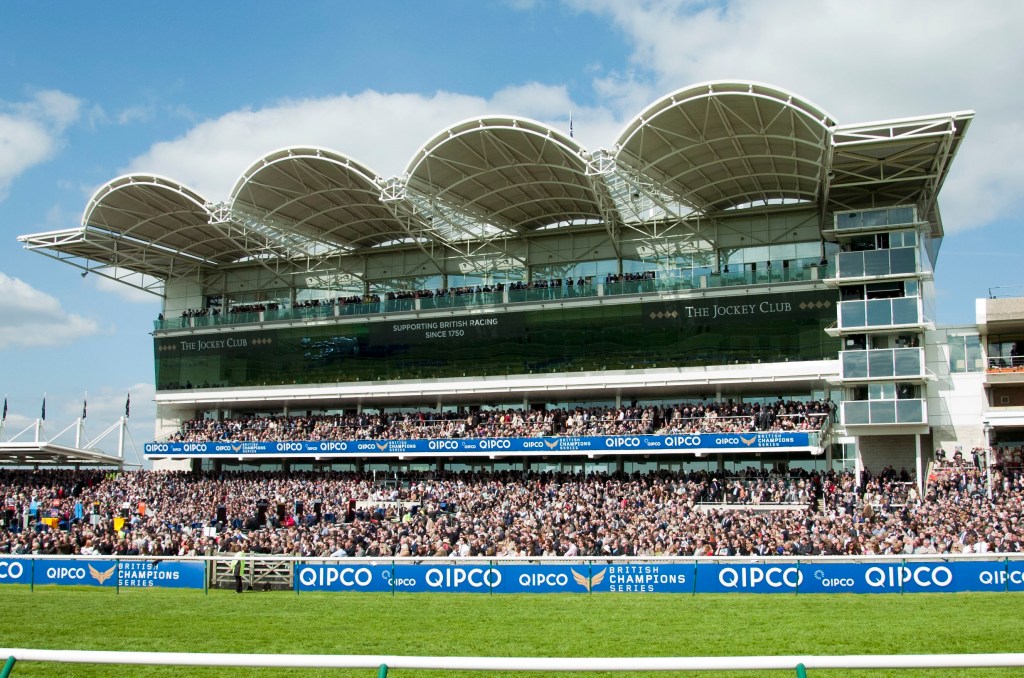
After beginning the month with a roar, the week ahead threatens to end with something of a whimper. The three-day Cambridgeshire meeting at Newmarket provides the traditional September finale, but, from a betting perspective, it does not immediately look as though it will offer many obvious opportunities.
There are no Somerville Lodge runners on Monday or Tuesday, while the yard’s historical record at this particular Newmarket meeting provides little encouragement.
A course to treat with caution
The Rowley Mile has been something of a statistical blind spot for Haggas during the autumn in recent seasons.
Since 2018, the yard has recorded no Group or Listed winner from 49 runners over the course during September and October. Even more revealing from a betting perspective, only six of those runners were first or second in the market.
The contrast with Charlie Appleby’s record is striking. Over the same period, Appleby has recorded 28 Class 1 winners, with 56 of his runners being first or second in the market, of which 22 were successful.
The handicap figures provide only a little more encouragement.
Haggas is 3 from 63 in the relevant handicaps since 2019, and only one of those 63 runners was successful when first or second in the market. That is a sufficiently small return to make the Rowley Mile an obvious track to approach with caution when assessing the stable’s runners.
The best of the figures comes with two-year-olds in novice and maiden races, but even here the strike-rate remains below 10%: 6 winners from 64 runners.
Interestingly, Maltese Cross was one of only two winners from that sample to succeed when being first or second in the market. His victory therefore stands out rather more strongly against the historical background than it might at first appear.
A line through the autumn?
For the last five years I have effectively drawn a red line through the autumn fixtures on the Rowley Mile when assessing Haggas runners from a betting perspective.
The 2025 season provided the first meaningful challenge to that approach, with Yabher and Maltese Cross both winning. It would therefore be tempting to suggest that the previous pattern is beginning to change.
However, I am not yet convinced.
The first three Haggas runners on the Rowley Mile this year were all out of the frame, and the broader historical picture remains remarkably consistent. Indeed, in three of the last eight seasons, the yard has failed to record a single winner at the course during September and October.
For me, that is enough to maintain the policy for another year.
It is important not to confuse a poor historical record with an absolute rule — individual horses can, and clearly do, overcome such trends. Maltese Cross himself is evidence of that. But when looking for betting opportunities, the combination of a modest strike-rate, a particularly poor record with runners first or second in the market, and the lack of recent Class 1 success makes the Rowley Mile an unusual course at which I am prepared to be particularly selective.
So, while the Cambridgeshire meeting will inevitably attract plenty of attention, I will be watching the Haggas runners rather than automatically looking to back them.
Sometimes the most useful piece of betting information is knowing when a trainer’s runners are better left alone.
 Chrysalis Consortium
Leave a comment